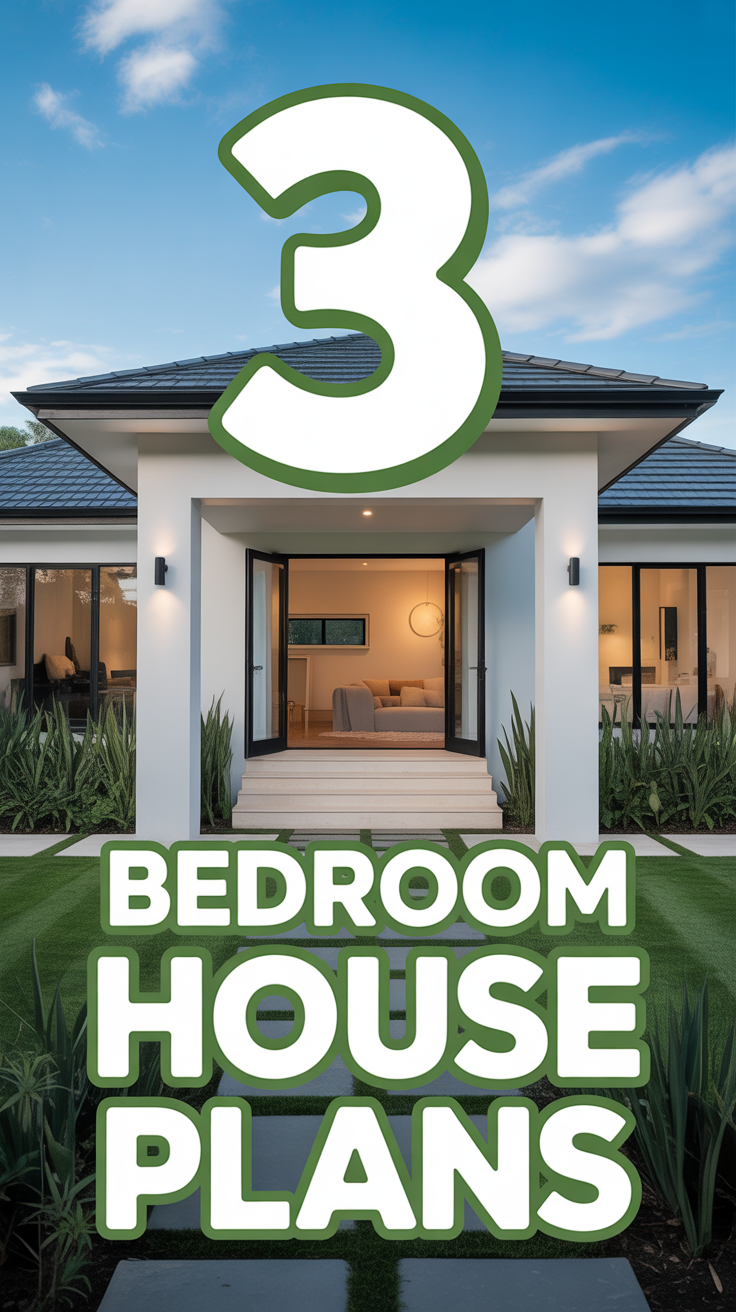
🏡 3 Bedroom House Plans
🛋️ The Designer's Foundation Kit
A beautifully decorated room is instantly ruined by messy wires, crooked frames, and scratched floors. Before you buy expensive furniture, these are the 5 cheap, foundational "invisible" tools professional decorators use to make a space look incredibly polished and put-together.
🔌 Paintable Wall Cable Concealer Kit
Nothing destroys the aesthetic of a mounted TV or a sleek home office faster than a spaghetti-tangle of black cords. These paintable raceways take 10 minutes to install and instantly upgrade any room from 'dorm room messy' to 'custom-built sleek.'
📏 BLACK+DECKER Laser Level
The secret to those flawless, Pinterest-worthy gallery walls. Stop putting unnecessary holes in your drywall while guessing if a frame is straight. A laser level gives you a perfect illuminated line across your entire wall, ensuring flawlessly aligned art every single time.
🖼️ Command Heavy Duty Picture Strips
The holy grail for renters and indecisive decorators. These incredibly strong velcro strips hold heavy mirrors and large framed art securely to the wall without nails, allowing you to completely redesign your space without losing your security deposit.
💡 Kasa Smart Wi-Fi Mini Plugs
Good lighting is the most important element of home decor. Plugging your table, floor, and accent lamps into these smart plugs allows you to instantly set the entire mood of your living room with a single voice command or phone tap when the sun goes down.
🪵 Premium Heavy Duty Felt Furniture Pads
Protecting your investment is rule number one of homeownership. This massive multipack guarantees that every chair, sofa, and heavy table in your house glides silently instead of violently gouging permanent scratches into your expensive hardwood floors.
Imagine stepping into a home where every corner feels just right, a sanctuary that perfectly balances space, comfort, and a welcoming atmosphere. For many, that dream home comes in the form of a 3-bedroom house. These plans represent one of the most popular and versatile choices in residential architecture, offering an ideal sweet spot for a wide range of lifestyles. Whether you’re a growing family in need of dedicated spaces for children, a couple desiring a home office and a guest room, or empty nesters seeking a manageable yet spacious layout, a 3-bedroom home offers unparalleled flexibility and charm.
This guide will take you on an inspiring journey through the world of 3-bedroom house plans, exploring how these thoughtful designs can be transformed into cozy, functional, and aesthetically pleasing havens. We’ll delve into the practicalities of layout, the magic of design choices, and how to infuse your personal touch to create a space that truly feels like home. Get ready to discover why a 3-bedroom plan might just be the blueprint for your perfect future.
What is 3 Bedroom House Plans?
At its core, a 3-bedroom house plan is a detailed architectural blueprint for a residential dwelling that includes three distinct sleeping areas. Beyond this simple definition, these plans embody a remarkable degree of adaptability, making them a favorite for both first-time homeowners and those looking to build their forever home. The beauty of a 3-bedroom layout lies in its inherent versatility, providing enough private space for various needs without becoming excessively large or costly to maintain.
Typically, these plans feature a primary suite (often including an attached bathroom and walk-in closet) and two additional bedrooms. The secondary bedrooms are the true chameleons of the home, easily transforming from children’s rooms to guest quarters, a dedicated home office, a creative studio, a personal gym, or even a cozy library. This flexibility allows the home to evolve with your family’s changing needs over time, ensuring it remains a functional and cherished space for years to come.
3-bedroom homes generally range in size from approximately 1,200 square feet for more compact, efficient designs, up to 2,500 square feet or more for expansive layouts that might include multiple living areas, larger kitchens, or additional amenities. They can be found in various architectural styles, from charming bungalows and traditional ranches to modern farmhouses and sleek contemporary designs. Layouts often feature open-concept living spaces that foster connection and natural light, but can also incorporate more traditional, defined rooms for those who prefer distinct zones. The choice between single-story, two-story, or even designs with basements or bonus rooms further expands the possibilities, allowing homeowners to tailor their vertical space to their lot and lifestyle. Ultimately, a 3-bedroom house plan isn’t just about the number of rooms; it’s about crafting a balanced, comfortable, and personalized environment that perfectly suits your vision of home.
Key Features
The enduring popularity of 3-bedroom house plans stems from a collection of key features that make them incredibly appealing and practical for a diverse range of homeowners. Understanding these benefits can help you appreciate why this particular configuration might be the ideal foundation for your dream home.
- Unmatched Versatility: This is arguably the strongest selling point. A 3-bedroom layout effortlessly accommodates various life stages and demands. For young families, it provides individual bedrooms for children. For couples, it offers the luxury of a dedicated home office, a hobby room, or a comfortable guest suite. Empty nesters can enjoy ample space for visitors while maintaining a manageable footprint. This adaptability ensures the home remains functional and relevant as your needs evolve.
- Optimal Space Utilization: 3-bedroom homes strike a perfect balance, offering enough room for comfort and privacy without feeling excessively large or overwhelming to maintain. This means less time spent cleaning and more time enjoying your living spaces. The design encourages thoughtful planning, ensuring every square foot serves a purpose, contributing to a sense of cozy efficiency.
- Strong Resale Value: Due to their broad appeal and versatility, 3-bedroom homes are consistently in high demand in the real estate market. This makes them a wise investment, offering excellent resale potential should your circumstances change in the future.
- Cost-Effectiveness: Generally, building or buying a 3-bedroom home is more affordable than larger 4-bedroom or 5-bedroom properties. This applies not only to the initial construction or purchase cost but also to ongoing expenses like heating, cooling, and property taxes. It allows homeowners to allocate more of their budget towards high-quality finishes and personalized touches that enhance comfort and aesthetics.
- Design Flexibility: From sprawling single-story ranches that promote easy accessibility to multi-level designs that offer distinct zones for living and sleeping, 3-bedroom plans come in an incredible array of architectural styles and configurations. This allows you to choose a design that perfectly complements your aesthetic preferences and the characteristics of your building lot.
- Potential for Cozy Aesthetics: The scale of a 3-bedroom home lends itself beautifully to creating intimate and warm environments. It’s easier to infuse a sense of coziness into a space that feels personal and proportionate. Thoughtful room layouts, strategic window placement, and the right material choices can transform these homes into inviting sanctuaries. Picture a living room where furniture naturally draws people together, a kitchen that feels like the heart of the home, and bedrooms that are true retreats – all achievable within the balanced framework of a 3-bedroom plan.
These features combine to make 3-bedroom house plans a compelling choice for anyone looking to build a home that is both practical and profoundly personal, a place where comfort, beauty, and functionality harmoniously coexist.
How to Get Started
Embarking on the journey of building your dream 3-bedroom home is an exciting endeavor. To ensure a smooth and successful process, it’s crucial to approach it with a clear vision and a structured plan. Here’s a practical guide on how to get started:
- Define Your Needs and Lifestyle: Before you even look at a single blueprint, take time to reflect on your current and future needs.
- Who lives in the house? (e.g., couple, family with young children, teenagers, frequent guests)
- What are your daily routines? (e.g., do you work from home, entertain often, have specific hobbies?)
- What are your priorities? (e.g., open-concept living, private retreats, large kitchen, outdoor connection, accessibility needs)
- How do you envision using each of the three bedrooms? (e.g., master, kids’ room, office/guest room)
This self-assessment will be your compass throughout the design process, ensuring the plan truly reflects how you live.
- Set a Realistic Budget: This is a critical step. Your budget will influence everything from the size and complexity of your home to the quality of materials and finishes. Factor in not just the construction costs, but also land acquisition (if applicable), permits, architectural fees, landscaping, and a contingency fund (typically 10-15% of the total budget) for unexpected expenses. Be honest with yourself about what you can comfortably afford.
- Research and Gather Inspiration: Dive into the world of home design! Browse online plan libraries, Pinterest boards, architectural magazines, and local parade homes. Pay attention to styles, layouts, and features that resonate with you. Collect images and ideas that evoke the warm, cozy aesthetic you desire. Don’t just look at the big picture; notice details like window styles, built-in shelving, kitchen island designs, and bathroom layouts.
- Consider Your Lot and Location: If you already own a piece of land, its characteristics will significantly influence your house plan. Consider:
- Size and Shape: Does it accommodate the footprint you desire?
- Topography: Is it flat, sloped, or uneven? This affects foundation costs and design.
- Orientation: How does the sun move across the lot throughout the day? This is crucial for maximizing natural light and energy efficiency.
- Views: Are there desirable views to capture or undesirable ones to block?
- Local Zoning and Building Codes: These regulations will dictate setbacks, height restrictions, and other design parameters.
If you don’t have a lot yet, these considerations should guide your search.
- Consult Professionals: While browsing plans online is a great start, a professional team is invaluable.
- Architect or Home Designer: They can help you customize an existing plan or create a bespoke design that perfectly matches your needs, budget, and lot. They understand structural integrity, building codes, and how to optimize space and light.
- Reputable Builder: Interview several builders, check references, and review their portfolios. Find someone whose style aligns with yours and who communicates effectively.
- Interior Designer (Optional but Recommended): For achieving that truly cohesive and cozy aesthetic, an interior designer can help with material selections, color palettes, lighting, and furniture placement from the outset.
- Prioritize Functionality and Flow: As you review potential plans, imagine yourself living in the space. How do you move from the kitchen to the dining area? Is the master bedroom a peaceful retreat, separated from busier areas? Is there a logical flow between public and private spaces? Prioritize natural light, ventilation, and clear traffic paths to ensure your home is not only beautiful but also incredibly comfortable and practical.
By following these steps, you’ll lay a solid foundation for creating a 3-bedroom home that is not just a structure, but a true reflection of your dreams and a cozy haven for years to come.
Tips for Success
Designing a 3-bedroom home that is both functional and exudes a warm, inviting atmosphere requires thoughtful planning and attention to detail. Here are some pro tips to help you achieve success in creating your cozy sanctuary:
- Thoughtfully Embrace Open Concept Living: Open layouts are fantastic for promoting natural light and connection, but too much openness can feel cavernous rather than cozy. The trick is to create defined zones within the open space. Use large area rugs to delineate living areas, strategic furniture placement (like a console table behind a sofa) to create subtle boundaries, and varied lighting (pendants over an island, floor lamps in a living nook) to give each area its own personality. This allows for flow while still providing intimate spaces.
- Maximize Natural Light and Views: Natural light is a cornerstone of a cheerful, inviting home. Position windows strategically to capture sunlight throughout the day and frame desirable views. Consider larger windows in main living areas, transoms above doors for added light without sacrificing privacy, and even skylights in areas like kitchens or bathrooms. Natural light makes spaces feel larger, brighter, and more welcoming, contributing significantly to a cozy aesthetic.
- Integrate Smart Storage Solutions: Clutter is the enemy of coziness. In a 3-bedroom home, efficient storage is paramount. Incorporate built-in shelving, window seats with hidden storage, clever pantry designs, and well-organized closets. Consider a dedicated mudroom or entry nook to contain shoes and coats. The more things have a designated home, the easier it is to maintain a tidy, serene environment that feels calm and inviting.
- Create Multi-Functional Spaces: With three bedrooms, you have the flexibility to make one or more rooms serve multiple purposes. A guest room can double as a home office with a stylish murphy bed or a sofa bed. A child’s room might include a reading nook that transforms into a homework station. A laundry room could incorporate a small craft area. This maximizes the utility of your square footage, making your home work harder for you without feeling cramped.
- Focus on Flow and Zoned Living: Pay close attention to how people will move through your home. Ensure clear pathways and avoid awkward dead ends. Consider “zoned living” where public spaces (living, dining, kitchen) are distinct from private areas (bedrooms, bathrooms). For instance, a split-bedroom plan places the master suite on one side of the house and the secondary bedrooms on the other, offering enhanced privacy and quiet for all occupants.
- Personalize with Cozy Touches: Once the structural elements are in place, infuse your home with personality and warmth. Choose warm color palettes, layer textures with soft rugs, throws, and pillows, and incorporate natural materials like wood and stone. Thoughtful lighting, from ambient to task and accent lighting, can dramatically change the mood of a room. Add personal touches like family photos, art, plants, and cherished objects to make your house truly feel like your home – a unique and inviting sanctuary.
Common Mistakes to Avoid
While planning your 3-bedroom dream home, it’s just as important to be aware of potential pitfalls as it is to know the best practices. Avoiding these common mistakes can save you time, money, and heartache, ensuring your home-building journey is as smooth and successful as possible.
- Ignoring the Lot’s Characteristics: A common mistake is selecting a house plan without thoroughly considering the specific features of your building lot. Neglecting the sun’s path can lead to dark rooms or excessive heat gain. Ignoring views can mean missing out on natural beauty. Failing to account for slopes or soil conditions can result in costly foundation changes. Always ensure your chosen plan harmonizes with your land.
- Underestimating the Budget: It’s easy for costs to spiral if the budget isn’t carefully planned and monitored. Many homeowners underestimate the cost of high-quality finishes, landscaping, utility connections, or unexpected site preparation. Always build in a contingency fund (10-15%) to cover unforeseen expenses, and be realistic about what you can afford for every component of the project.
- Overlooking Adequate Storage: A lack of sufficient storage space is a recipe for clutter, which quickly undermines any attempt at creating a cozy and serene environment. Don’t skimp on closet space, pantry size, or utility rooms. Think about where you’ll store seasonal items, cleaning supplies, linens, and everyday necessities. Built-ins and smart storage solutions should be part of the initial design.
- Poor Traffic Flow: A home’s functionality is heavily dependent on how easily people can move through it. Awkward layouts with long, narrow hallways, rooms that serve as pass-throughs to other essential areas, or doors that collide can make a house feel cramped and frustrating. Prioritize clear, intuitive pathways between frequently used spaces.
- Chasing Too Many Trends: While it’s fun to incorporate modern elements, designing your entire home around fleeting trends can lead to a quickly outdated aesthetic. Focus on timeless design principles, classic materials, and a neutral base palette that you can easily update with accessories. This approach ensures your home remains beautiful and relevant for years, rather than requiring expensive renovations every few seasons.
- Skipping Professional Advice: Attempting to manage the entire design and build process without professional input from architects, experienced designers, or reputable builders can lead to costly errors, structural issues, or a finished product that doesn’t meet your expectations. Their expertise is invaluable for navigating complex regulations, optimizing designs, and ensuring quality construction.
- Neglecting Natural Light and Ventilation: A dark, stuffy home can never truly feel cozy or inviting. Ensure your plan incorporates ample windows, and strategically placed to maximize natural light and cross-ventilation. Think about how air will move through the house to keep it fresh and comfortable, reducing reliance on artificial lighting and air conditioning.
FAQ
As you plan your 3-bedroom home, you’re bound to have questions. Here are some common inquiries to help clarify your vision and guide your decision-making process:
Q: Is a 3-bedroom house big enough for a family?
A: Absolutely! A 3-bedroom house is one of the most popular and versatile choices for families. It comfortably accommodates families with 1-2 children, providing individual bedrooms for privacy. For larger families, the secondary bedrooms can be creatively designed with bunk beds or shared spaces. Beyond sleeping, the flexibility to convert a bedroom into a playroom, home office, or guest room means the home can adapt to a family’s evolving needs, making it a highly functional choice.
Q: What’s the ideal square footage for a 3-bedroom home?
A: There’s no single “ideal” square footage, as it largely depends on your lifestyle, desired amenities, and budget. However, most 3-bedroom homes typically range from 1,500 to 2,500 square feet. A compact, efficient 3-bedroom might be around 1,200-1,400 sq ft, while a more luxurious plan with larger living areas, multiple bathrooms, or a dedicated utility room could easily exceed 2,500 sq ft. Focus on how the space is utilized and flows rather than just the total number.
Q: Can a 3-bedroom plan be energy efficient?
A: Yes, absolutely! Energy efficiency is a key consideration in modern home design, and a 3-bedroom plan is no exception. In fact, its generally smaller footprint compared to larger homes can make it inherently more efficient to heat and cool. To maximize efficiency, consider features like strategic home orientation to optimize solar gain and natural light, high-quality insulation (walls, attic, foundation), energy-efficient windows and doors, a well-sealed building envelope, and efficient HVAC systems. Incorporating sustainable materials and smart home technology can further enhance its eco-friendliness.
Q: How can I make my 3-bedroom home feel more spacious and cozy?
A: To achieve both spaciousness and coziness, focus on these design elements:
- Open Layouts with Defined Zones: Use furniture, rugs, and lighting to create distinct areas within an open space without blocking sightlines.
- Light Color Palettes: Pale colors on walls and ceilings reflect light, making rooms feel larger and brighter.
- Maximize Natural Light: Large windows, glass doors, and even skylights flood spaces with light, opening them up.
- Smart Storage: Decluttering is key! Built-ins and clever storage solutions keep spaces tidy and functional.
- Thoughtful Furniture Placement: Choose furniture proportionate to the room size and arrange it to encourage conversation and flow. Avoid overcrowding.
- Layered Textures and Warm Materials: Introduce softness with rugs, throws, pillows, and curtains. Incorporate natural wood, stone, and plants to add warmth and organic appeal, creating that inviting, cozy feeling.
✨ The Room Refresh & Ambiance Kit
You do not need to buy all new furniture to completely change how a room feels. Interior designers rely heavily on texture, lighting, and small luxury details. These 5 aesthetic additions are the fastest, most affordable way to instantly elevate a boring space into a cozy retreat.
☁️ 100% European Linen Throw Pillow Covers
The absolute cheapest way to update a living room for a new season. Instead of buying clunky new pillows, simply slip these gorgeous, highly textured, breathable linen covers over your existing inserts to immediately make standard couches look like luxury catalog staging.
🕯️ Real-Wax Flameless LED Pillar Candles
Nothing creates Hygge and coziness quite like candlelight. These incredibly realistic, flickering LED candles are coated in real wax, and the included remote lets you safely bathe your living room or bathroom in warm, relaxing light without any fire hazard or melting mess.
📚 Architectural Digest "At 100" Coffee Table Book
An empty coffee table or entryway console feels cold and unfinished. A massive, beautiful, high-quality hardcover design book adds immediate height, color, and sophistication to your flat surfaces, creating an intentional focal point that anchors the room.
🌿 6-Foot Faux Olive Tree
Every single room needs a touch of organic greenery to breathe life into it, but large indoor trees are notoriously difficult to keep alive. This stunning, hyper-realistic faux olive tree effortlessly fills dead corner space and draws the eye upward to make ceilings feel taller.
✨ Brushed Brass Cabinet Hardware Pulls
The ultimate weekend 'micro-renovation.' Swapping out cheap, builder-grade silver knobs for these heavy, warm brushed brass pulls instantly modernizes outdated kitchen cabinets, bathroom vanities, or even IKEA dressers for a massive visual upgrade.
Conclusion
The journey of planning and building a home is one of life’s most rewarding adventures, and choosing a 3-bedroom house plan sets you on a path to creating a space that is wonderfully balanced, supremely versatile, and deeply personal. From accommodating a bustling family to providing a tranquil retreat for a couple, these plans offer the ideal foundation for a life well-lived.
As we’ve explored, the beauty of a 3-bedroom home lies not just in its practicality and strong investment value, but in its inherent potential to foster a sense of warmth and belonging. By thoughtfully considering your lifestyle, embracing smart design principles, and infusing your unique aesthetic, you can transform a blueprint into a cozy haven—a place where memories are made, laughter echoes, and comfort reigns supreme. Remember to lean on professional expertise, avoid common pitfalls, and most importantly, enjoy the creative process of designing a home that truly reflects who you are.
Your dream of a perfectly proportioned, wonderfully welcoming 3-bedroom sanctuary is within reach. Take these insights, gather your inspiration, and confidently step forward to begin crafting the home where your most cherished moments will unfold.